
Ensuring the respectful citizens of tomorrow
Monday, 01st June 2026As the world faces an increasingly uncertain future, the need for tomorrow’s men to be respectful and supportive – of people’s beliefs and feelings, of women, and of each other – becomes more urgent with each passing day. It’s a message Melbourne High School has taken to its heart, with vital support from MHS Foundation donors.
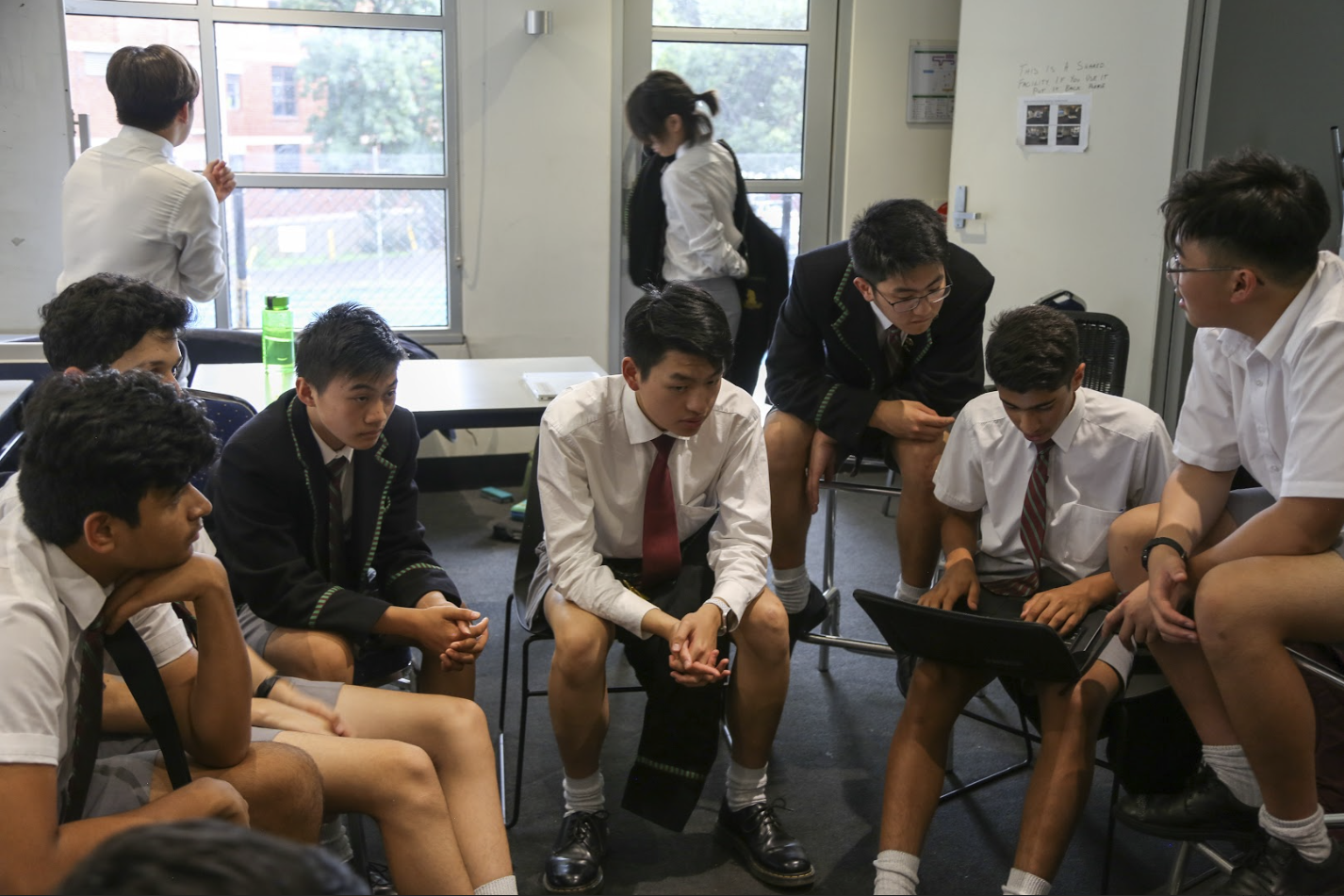
By the end of Term 2, our partner organisation, Tomorrow Man, will have delivered its lifesaving mental health training to more than 1,000 Year 9 and 10 boys – creating a robust foundation for promoting the “real conversations” that are essential to young men’s wellbeing as they navigate the challenging years between puberty and adulthood.
In addition, some 60 parents have taken part in two sessions hosted by Tomorrow Man’s facilitators – showing their support for the school’s commitment to produce the caring and empathetic citizens of tomorrow.
“The importance of helping our young men to have genuine and open conversations cannot be underestimated,” says Assistant Principal Robert Sette. “So many conversations these days are superficial – and often harmful – and it’s absolutely critical that we can help our boys have more reflective and respectful conversations, so they feel empowered to support those around them.”
The program was launched by Principal Dr Tony Mordini in mid-2024, and by next month will have reached an estimated 1,050 students. Sadly, in May, the school learned that Tomorrow Man (and its partner, Tomorrow Woman) will be closing their doors on June 30th after nearly 10 years of delivering their lifesaving training to schools, sports clubs, and community groups around Australia.
While the organisation has committed to continue its workshops to the end of Term 2, Robert Sette says the school has already started looking for another organisation to continue its vital work.
“We’re extremely grateful to Tomorrow Man for helping us lay down an important foundation, and we’re committed to helping our young men have these critical conversations long into the future,” he says. “Even if only a handful of boys have these kinds of conversations as a result, the program will have been worthwhile.”
Sharing stories, supporting friends
The program runs four discrete sessions – each addressing specific challenges and offering solutions. The first aims to ‘Break the Man Code’, addressing harmful stereotypes and the need for a positive sense of manhood; the second goes ‘Behind the Armour’ to look at toxic banter and behaviour; while the third aims for the ‘Next Base’ to foster open, responsible and positive relationship building skills. The final session helps boys ‘Write Your Own Code’ – encouraging a commitment to advocate for a safe, inclusive and respectful future for all genders.
By encouraging students to share their own stories, the program has had amazing success in promoting “difficult conversations” around identity, relationships and masculinity – things that are increasingly complicated by the prejudices and chauvinism young people witness on social media. The boys’ reactions at the end of the sessions suggest what they’ve learned has resonated with them, and given them a powerful conviction to continue sharing stories – and supporting friends – in the years ahead.
“I watched one boy get up and tell his friend ‘I didn’t like it when you called me short’,” says Robert Sette. “Then his mate got up and admitted he’d been calling him short for years because he was conscious of being short himself. It was such an honest, real moment, which really showed everyone present how important it is to be open and honest about these kinds of things – to call it out when someone is being disrespectful.”
Surveys show 92% of participants said the workshops had broadened their understanding of masculinity, while 90% reported feeling more confident reaching out for help – and 94% said they’d be more confident supporting others who may be struggling.
“I learned how important it is to break the stereotypes of men, and access help when one needs it,” said one. Another participant noted how important it was “to be part of a good friends’ network – so I can always share my struggles.”
The Tomorrow Man initiative ties in with Melbourne High’s strong pastoral care and mental health programs, and the school’s commitment to a culture in which every student feels safe and empowered to reach out for support. The school has invested $55,000 in the initiative, with $20,000 of this committed through the MHS Foundation.
Dr Mordini welcomed the Foundation’s support. “This positive masculinity program has received very positive feedback from the boys,” he said. “Alongside other programs such as Berry Street, which the Foundation has already supported generously, we believe that we’re creating a learning and wellbeing culture that is supportive, warm, caring, and empowering.”